
Free to get started
Your health is
one system.
Nutrition. Training. Recovery. Goals. They're all connected—but your apps aren't. VegaLoop is the platform that finally brings it all together.
Free to get started
Nutrition. Training. Recovery. Goals. They're all connected—but your apps aren't. VegaLoop is the platform that finally brings it all together.
The Problem
One app for workouts. Another for meals. A third for biometrics. Maybe a spreadsheet for goals. None of them talk to each other.
You collect more health data than ever, but no tool connects the dots. You're left guessing when your body is telling you something your apps can't see.
What's Inside
Not another dashboard. A platform that understands how every part of your health affects the rest.
One view that answers "how am I doing?" across nutrition, training, and goals. No app-switching required.
Your nutrition affects your training. Your training affects your recovery. We surface the connections others miss.
Sports-science-grade intelligence that tells you when to push hard and when to recover—no coaching degree required.
Log meals in seconds. See how what you eat fuels what you do—with macro tracking, trends, and meal planning.
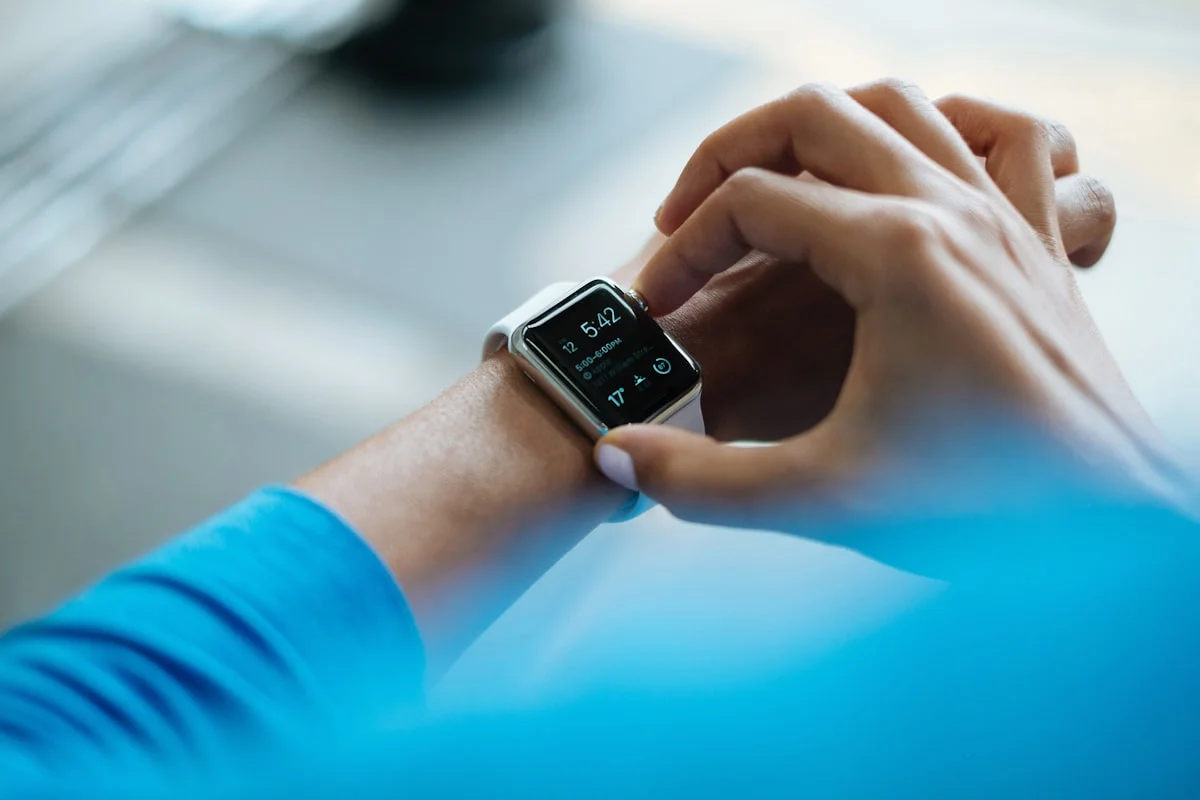
Connect the devices you already use. Your workouts and biometrics flow in automatically—no manual entry.
Your health data belongs to you. Built with privacy-first architecture and consent-based sharing from day one.

Our Vision
We're building the connective tissue between fitness, nutrition, and health data. Today for individuals. Tomorrow for the coaches and communities who help people live better.

For Everyone
You don't need to be an elite athlete to benefit from understanding how your habits connect. VegaLoop meets you where you are.
Connecting nutrition and fitness isn't just for endurance athletes. It's for anyone who wants to understand their health as one system. We're building the platform for it.
From the Blog
General
Our Twin Cities Marathon recap: a thank you to the finishers and pacers
Read more →
General
VegaLoop is out of beta and officially released this weekend at the Twin Cities Marathon, TC Half Marathon, and TC 10 …
Read more →
Insights
Your resting heart rate is one of the simplest health metrics to track, and your personal trend can reveal useful …
Read more →